
SPECIAL EDITION
PHILOSOPHY VOICE Vol.03
Tomoko Watanabe
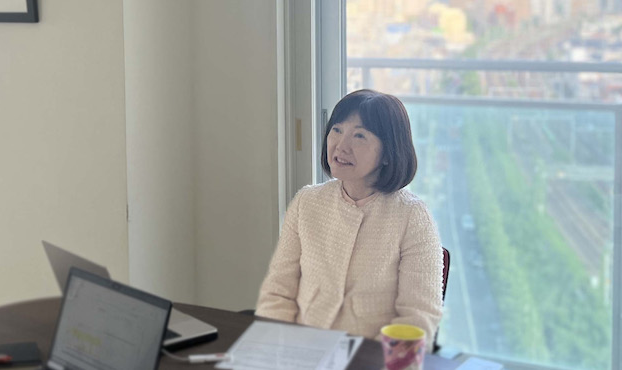
Intellectual property rights protect ideas and creations as property. The use of intellectual property rights is essential for Nakashima, which is promoting challenging initiatives to realise its Vision, such as developing new products and considering new businesses. In this issue, we spoke to Ms. Watanabe, a patent attorney who has been supporting Nakashima's IP strategy for many years, and asked her about the significance of the company's emphasis on intellectual property rights and his expectations for Nakashima in the future.
Q1. What kind of work does a patent attorney do?
A patent attorney is a profession similar to a lawyer that deals with the laws of intellectual property rights. They represent clients in the registration of patents, designs and trade marks for products and ideas, from the application to the patent office until the rights are finally granted. In some cases, we also provide advice on product development itself, not just on the application process. The earlier the application for intellectual property rights is filed, the better. With an eye on the company's future business development, we are quick to catch the seeds of ideas that could become products in the future and link them to intellectual property.
Q2. How do intellectual property rights relate to product development?
I believe that intellectual property rights and product development are like two wheels of a vehicle. The more successfully we develop and launch good products, the more companies will try to follow suit, so we need to protect our products with rights. However, No matter how good the rights are, if the company does not have the technology and environment to make good use of them, it will not be able to make use of them even if it has acquired the rights. Intellectual property rights and product development are both essential to consolidating a company's brand.
Q3. How did you become involved with Nakashima?
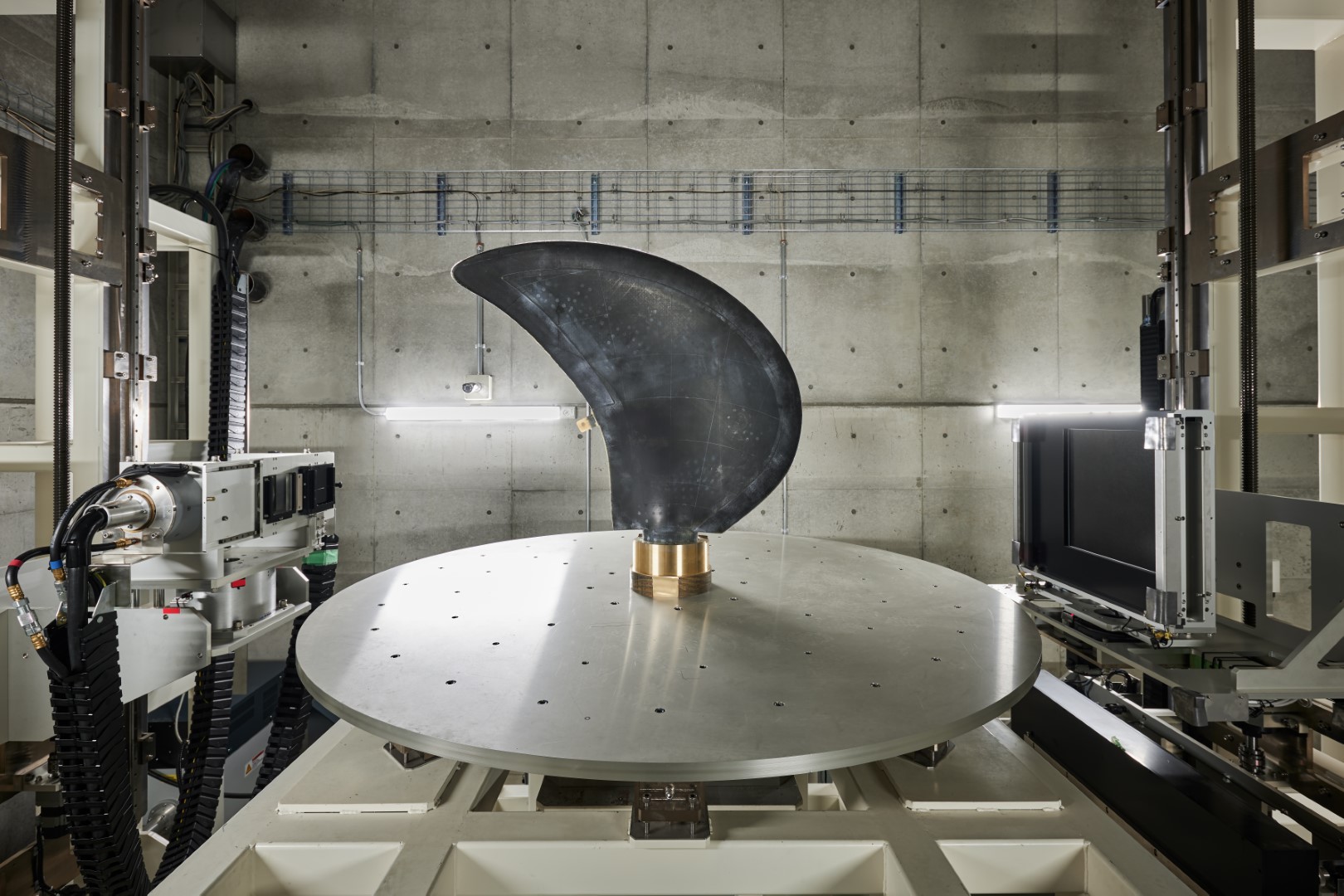
20 years ago, we were approached by a major competitor regarding an exterior product that was being sold by a new business with a similar product. After leaving the firm I was with in 2012, I continued to support propeller development and the utilisation of intellectual property in relation to new products.
Q4. What do you expect from Nakashima in the future?
I would like to see Nakashima further promote the strengths it has as a company, such as its technological capabilities to realise product development, its networks at home and abroad, its contributions to the local community and its new business initiatives. Ultimately, I would like to see them brought together as the Nakashima brand. I think the way forward varies from company to company. I would like the company to find its own unique Nakashima Way, which cannot be imitated by any other company, while referring to the effective methods of other companies, and to work out the details of the Nakashima Way.
Q5. What should employees be aware of when managing a company?
Recently, the term 'Roppo-yoshi' has become a common concept in recent discussions on company management. This is the addition of the three words 'employee goodness, global goodness and future goodness' to the traditional 'sampo-yoshi' (seller goodness, buyer goodness and world goodness). Companies that only seek their own profit are no longer considered in the first place. We believe that it is essential for the survival of a company to clarify what it wants to become as a company and how it wants to contribute to society, and to communicate with other employees who are working towards the same goals.
Q6. Do you have any words you would like to pass on to younger employees?
Some may believe that job satisfaction or a fulfilling role is shaped by the company or your manager, but I believe that your own attitude towards your work is also quite important. It is important to try to enjoy your work. If you express your concerns to your supervisor or manager, they too can be stimulated and you can create opportunities for mutual growth. Please try not to be passive and wait for instructions, but to be aware of the importance of "taking an active part" and "communicating". I think it will give you a chance to feel the satisfaction and interest of your work.
Q7. What are your hobbies?
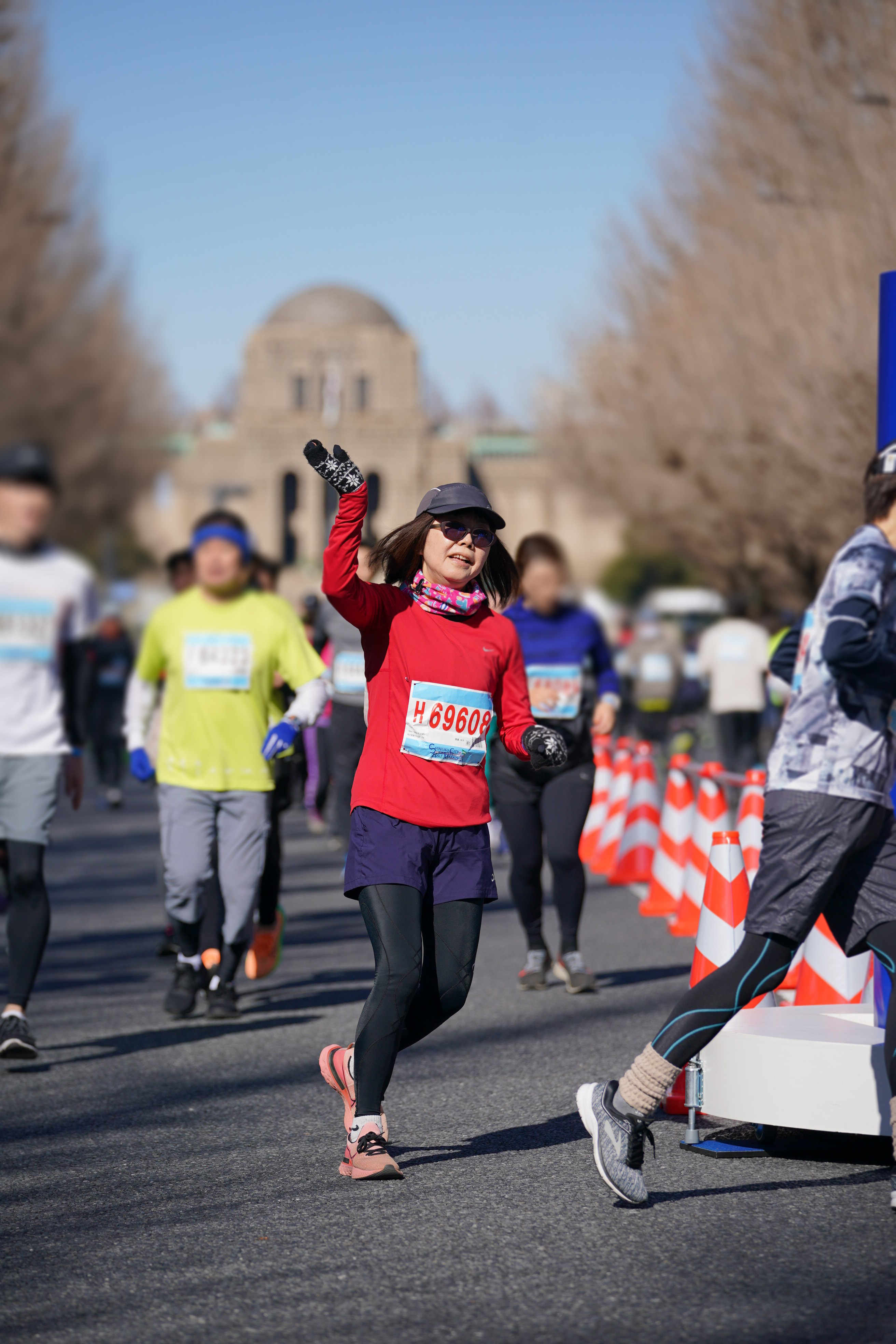
I have recently started jogging. I took part in a 10 km marathon last year and have been taking part in marathons around the country with friends. This photo was taken when I took part in a marathon in Shinjuku. I also climb mountains and hold social events with students, where I communicate with and am stimulated by many different people, regardless of age.
In 2026, Nakashima Propeller will celebrate its 100th anniversary. Moving forward, we will launch new initiatives to solidify the [Nakashima WAY], which will remain unwavering in the years to come.